
Victims represented by SRT grantee partner Civitas Maxima welcomed the fact that the Paris ‘Cour d’assises’ found a convicted Liberian rebel commander guilty after…
 Grantee stories - The Sigrid Rausing Trust
Victims represented by SRT grantee partner Civitas Maxima welcomed the fact that the Paris ‘Cour d’assises’ found a convicted Liberian rebel commander guilty after…
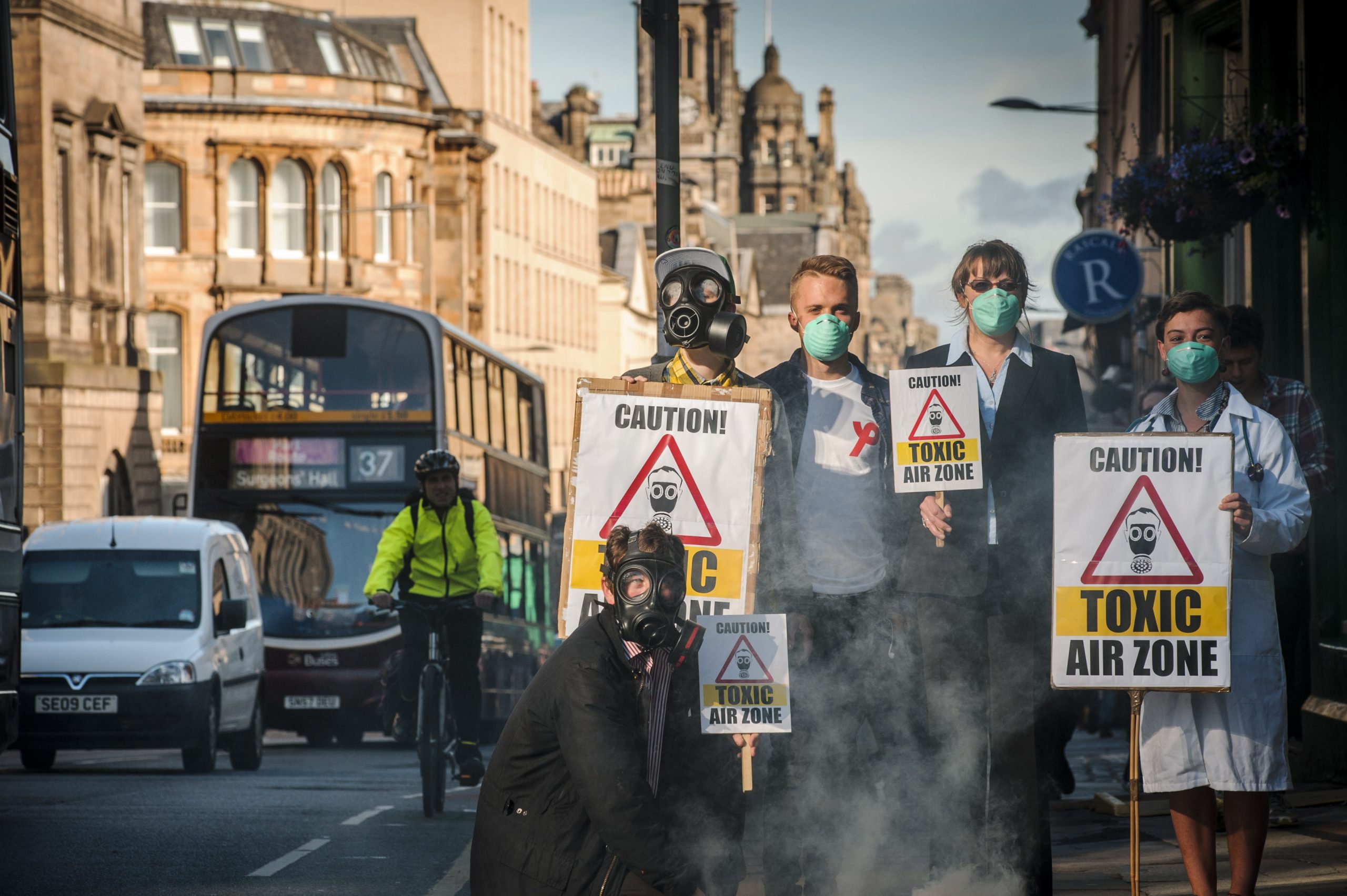
A review conducted by CHEM Trust has found significant shortcomings in the UK’s post-Brexit chemical regulatory system, known as UK REACH. Despite government assurances…

SRT grantee partner the European Coalition for Corporate Justice (ECCJ) has welcomed a political agreement made by EU legislators on the Corporate Sustainability Due…
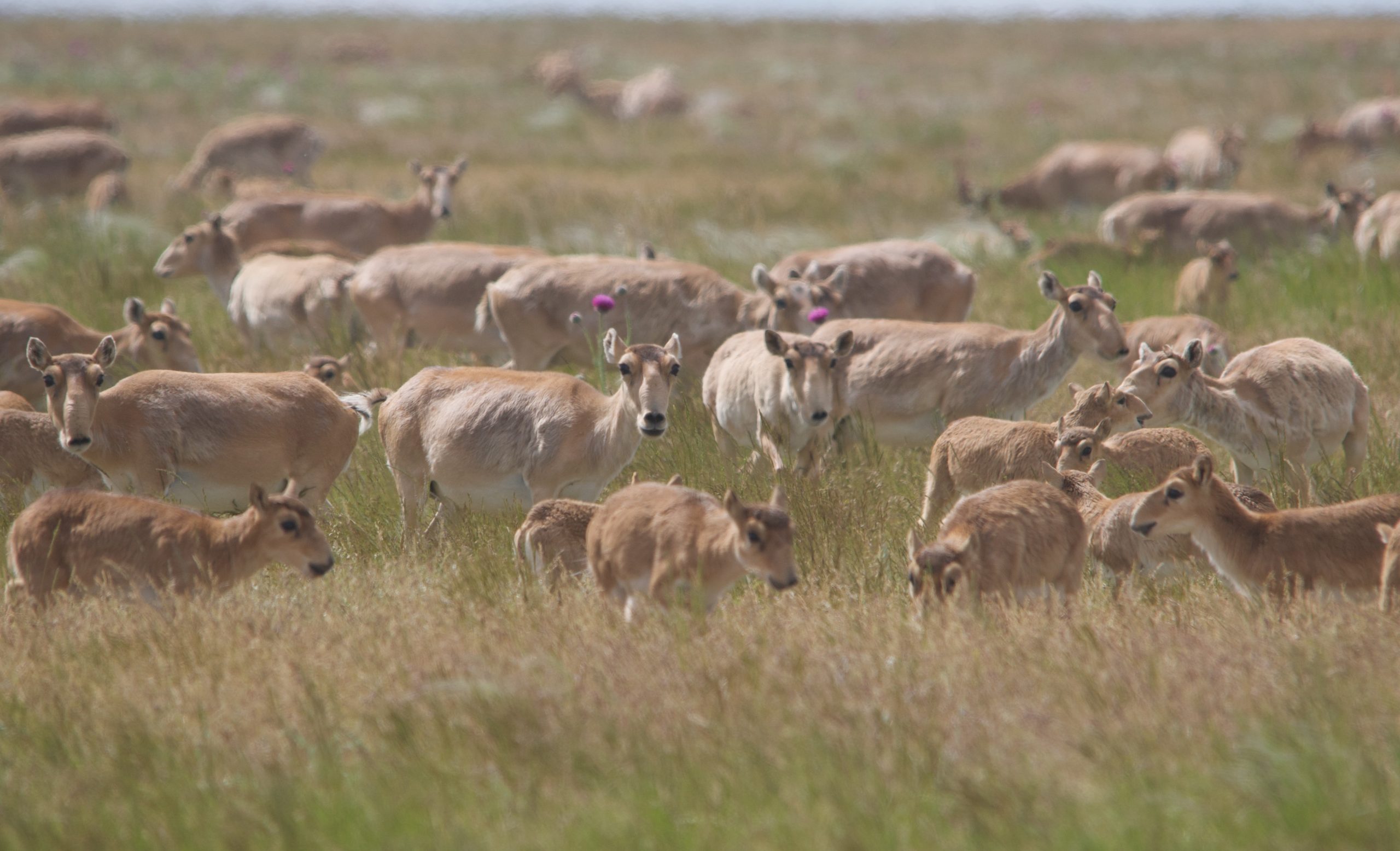
On December 11, 2023, conservationists celebrated as the International Union for Conservation of Nature (IUCN) reclassified the saiga antelope, a keystone species of the Central…
Victims represented by SRT grantee partner Civitas Maxima welcomed the fact that the Paris ‘Cour d’assises’ found a convicted Liberian rebel commander guilty after…
A review conducted by CHEM Trust has found significant shortcomings in the UK’s post-Brexit chemical regulatory system, known as UK REACH. Despite government assurances…
SRT grantee partner the European Coalition for Corporate Justice (ECCJ) has welcomed a political agreement made by EU legislators on the Corporate Sustainability Due…
All SRT grantees sign a contract binding them to certain clauses, including an agreement to avoid glorifying or promoting violence or using language that is…
On December 11, 2023, conservationists celebrated as the International Union for Conservation of Nature (IUCN) reclassified the saiga antelope, a keystone species of the Central…
On 15 November 2023, the UK Supreme Court ruled that the government’s Rwanda scheme is unlawful. Under this proposed scheme, people who are deemed…
Five SRT grantees, Organized Crime and Corruption reporting Project (OCCRP), the Bureau for Investigative Journalism, Direkt 36, Crime and Corruption Reporting…
SRT grant agreements prohibit our funds from being used for unacceptable political activities or for campaigning in a doctrinaire, partisan or propagandist manner. Our grantees…
SRT grantee partners Mnemonic, (host organisation of Syrian Archive programme), and the Human Rights Center at the University of Berkeley were among those…
SRT grantee partner the Macedonian Young Lawyers Association, (MYLA), were among those celebrating a legislative victory that worked to end statelessness in North Macedonia. In…