
“Instead of protecting democracy, we should talk about renewing it”: SRT partners in conversation with Barack Obama
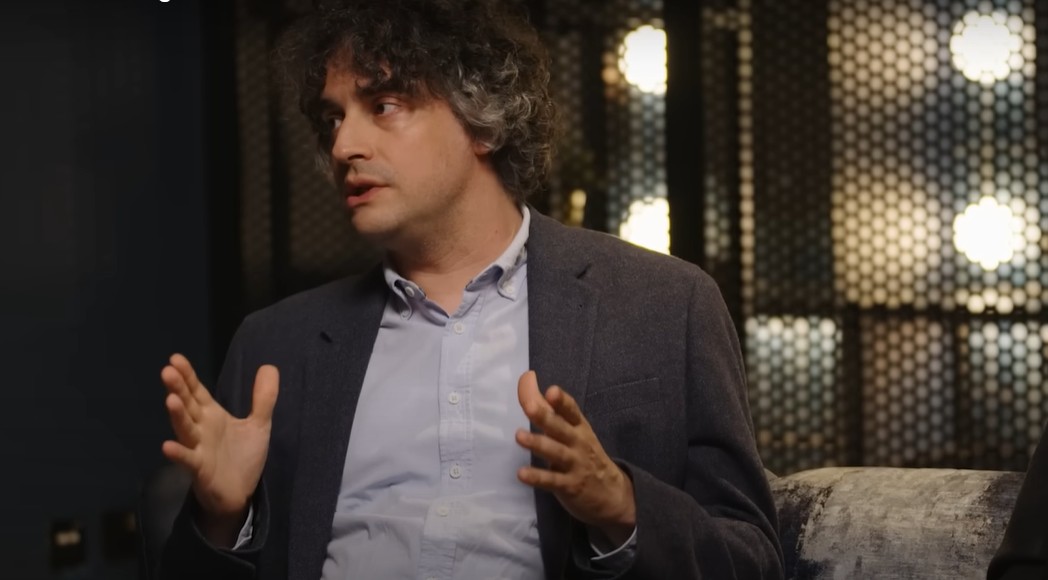
Two SRT grantee partners were represented at a recent roundtable with former US President Barack Obama on the future of democracy in Central Europe and beyond. Sándor Léderer, co-founder of K-Monitor in Hungary, and Stefánia Kapronczay, former co-director and director of strategy for the Hungarian Civil Liberties Union (HCLU), joined Polish lawyer and civic leader Zuzanna Rudzińska-Bluszcz for a discussion on how to resist authoritarian trends in Poland and Hungary, and how to strengthen democratic resilience globally.
President Obama warned that “we’re seeing politicians target civil society, undermine freedom of the press, weaponise the justice system. And no one is being spared… Even countries that thought they were immune from wholesale assaults on democracy now understand we’re all part of one struggle.”
Léderer described an environment in Hungary where those in power “always shift the rules according to what’s most favourable to them. You have a much harder time to be present or represent what you’re standing for.”
In discussing effective ways to counter this, Kapronczay stressed that democracy should be “practised every day or every week, regularly”. It was stressed that resisting authoritarianism requires coordination across levels, from civil society, philanthropy, and international networks. Yet, they all agreed, the real defence lies locally in communities practising cooperation and transparency every day.
However, they also agreed that democracy in its current state was no longer successful. Obama noted the “liberal democratic market-based order” had lost touch with the people for whom it was no longer “delivering on some of the basic hopes and dreams.” He said such false promises breed frustration, which opened the door for “right-wing populism, anti-immigrant sentiment, [and] anger.”
Léderer explained that instead of “protecting democracy,” we should talk about “renewing democracy… Forget about what we’ve lost, because it’s over… We cannot go back to these structures. And much more energy should go into… [what] does the world we want to live in look like?”
“So instead of trying to fix it, why not start really from the local level to really work on that?” Kapronczay agreed.
Under Viktor Orbán’s government, checks and balances in Hungary have been weakened through constitutional and legal changes that consolidate political control. Independent media face regulatory and financial pressure, with pro-government actors dominating much of the media landscape. Judicial independence has been curtailed by reforms that place senior appointments under political influence, while new legislation threatens foreign-funded NGOs and watchdogs.
See here to watch full session: How to stop authoritarianism across the globe: a conversation with President Obama
Return to grantee stories