
SRT Newsletter – June 2026
Grantee News:
The Hungarian Helsinki Committee, the Háttér Society, and the Hungarian Civil Liberties Union, along with Amnesty International Hungary, have secured a major victory for freedom of assembly after prosecutors dropped all charges against the organisers of the 2025 Budapest and Pécs Pride marches. The decision ends criminal proceedings brought following Hungary’s crackdown on LGBTIQ+ public demonstrations, although the organisations continue to call for reforms to align Hungarian law with European human rights standards.
ECCJ has welcomed the European Ombudswoman’s decision to maintain scrutiny of the European Commission’s handling of the Omnibus proposals, which seek to scale back parts of the EU’s corporate sustainability and due diligence rules. The decision follows a complaint by a coalition of eight NGOs, including ECCJ, which argued that the Commission’s fast-tracked legislative process undermined transparency, democratic oversight and opportunities for public participation.
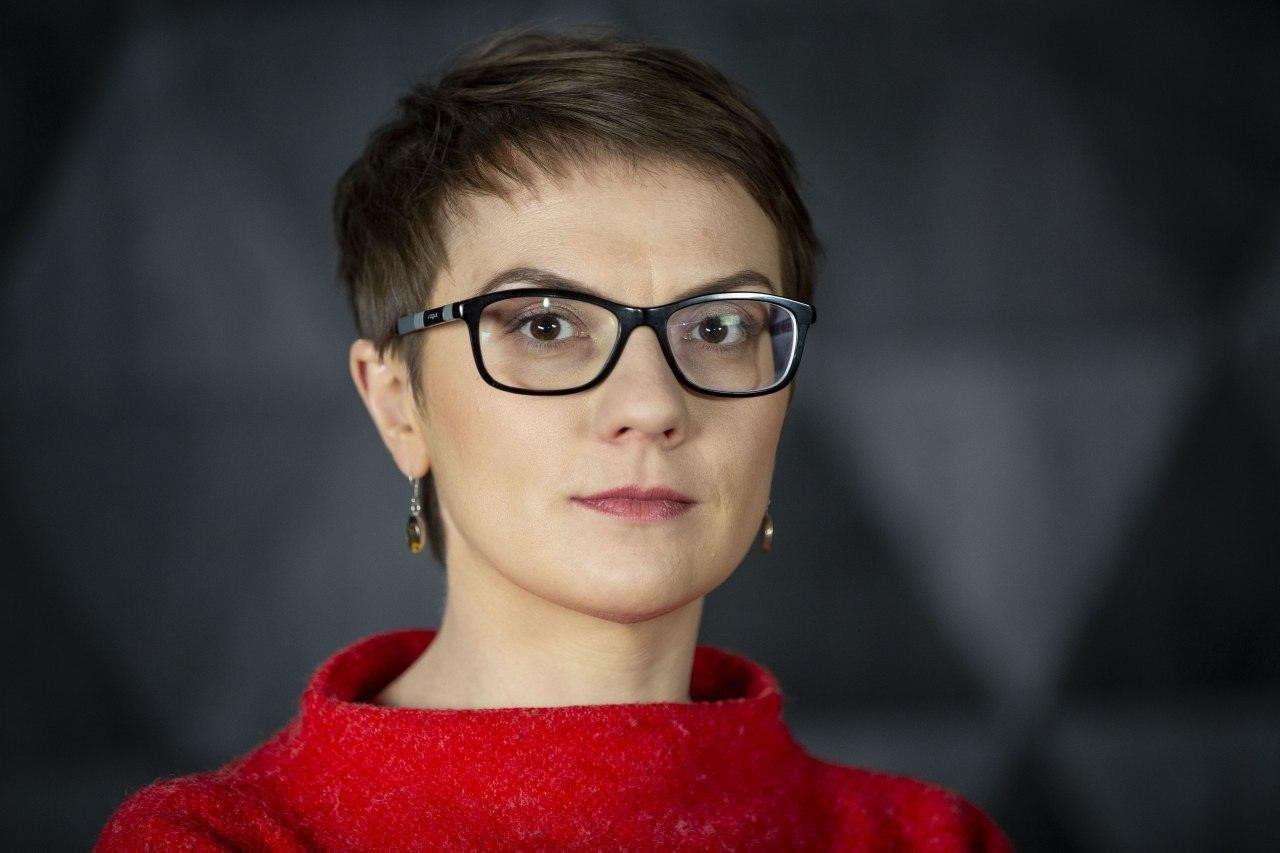
The Reckoning Project’s co-founder, Nataliya Gumenyuk, has been awarded Ukraine’s Order of Merit, III Class by President Volodymyr Zelenskyy in recognition of her contributions to journalism and documenting Russia’s full-scale invasion. The award also acknowledges The Reckoning Project’s work to document war crimes and preserve evidence to support future international accountability efforts.
Separately, the Reckoning Project welcomed the UN’s decision to place both Israel and Russia on its blacklist of partiescredibly suspected of conflict-related sexual violence, describing it as a significant step towards accountability for survivors. However, executive director, Janine di Giovanni, argues it should be followed by meaningful accountability measures, including independent investigations and prosecutions. The move follows UN findings of sexual violence against Palestinian detainees and Ukrainian civilians and prisoners of war.
OCCRP’s investigation earlier this year into Irish alumina entering the supply chains of Russian weapons manufacturers has prompted renewed pressure on the EU to close sanctions loopholes, while the Irish government has opened an official investigation into the trade. The case has intensified scrutiny of how European exports may continue to support Russia’s defence industry despite existing sanctions.
Additionally, following a separate OCCRP investigation into how Russia Today covertly supported foreign video bloggers promoting Kremlin narratives, the EU has sanctioned influencer Alexandra Jost, known as “Sasha Meets Russia”. The EU said she spread pro-Kremlin narratives about Russia’s war against Ukraine while presenting her content as lifestyle and cultural reporting.
ICNL has published new analyses of the amendments to Russia’s “foreign agents” legislation and of the amendments to theCode of Administrative Offenses mentioned above, warning that they further expand state control over civil society. The measures increase government access to financial information, broaden inspection and enforcement powers, and introduce tougher administrative penalties, further restricting the work of independent organisations, media and activists.
Watershed Investigations has released a new investigation and warned that the EU’s push to secure supplies of critical minerals could weaken water protections by fast-tracking new mines in some of Europe’s most water-stressed regions. Analysis and mapping found that more than half of the EU’s 33 designated “strategic” mining projects are in areas experiencing long-term drying, prompting concerns over impacts on water resources, ecosystems and local communities.
Watershed Investigations has also contributed data to a new University of Portsmouth study identifying sewage as a major source of PFAS contamination in the Solent, a nationally important habitat for wildlife. The findings add to growing evidence that these persistent “forever chemicals” enter waterways through everyday consumer products, prompting renewed calls to phase out PFAS at source as they are extremely difficult to remove once released into the environment.
New grantee the Slavko Ćuruvija Foundation reports a series of new death threats against independent journalists in Serbia, including reporters investigating alleged corruption and covering recent student protests. The Foundation warns that none of the cases has led to prosecutions, underscoring persistent impunity for attacks on the media.